

Rufous Motmot Baryphthengus martii Photo by David Tipling Our largest motmot! The Rufous Motmot is a common bird found in the understory of the lowland and foothills forests of Panama. With a length
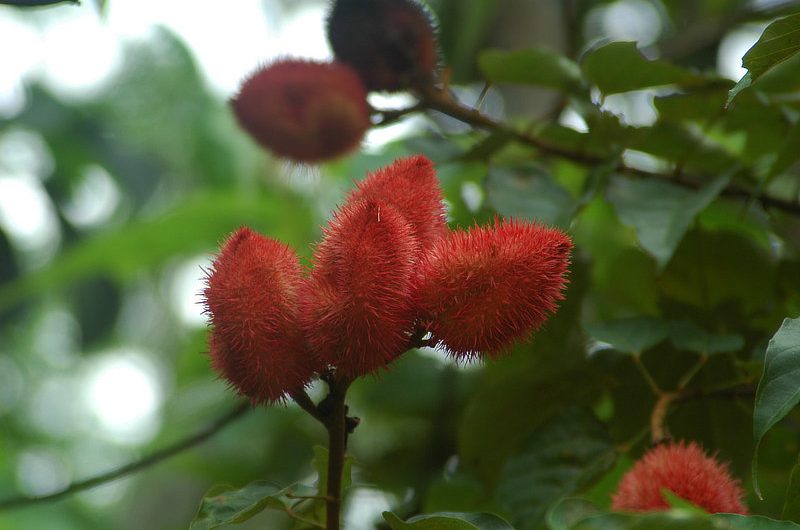
Achiote Bixa orellana Photo by Jerry & Linda Harrison Achiote is a distinctive shrub or small tree in the family Bixaceae. The tree grows 6-10 meters tall and is identifiable by its bright
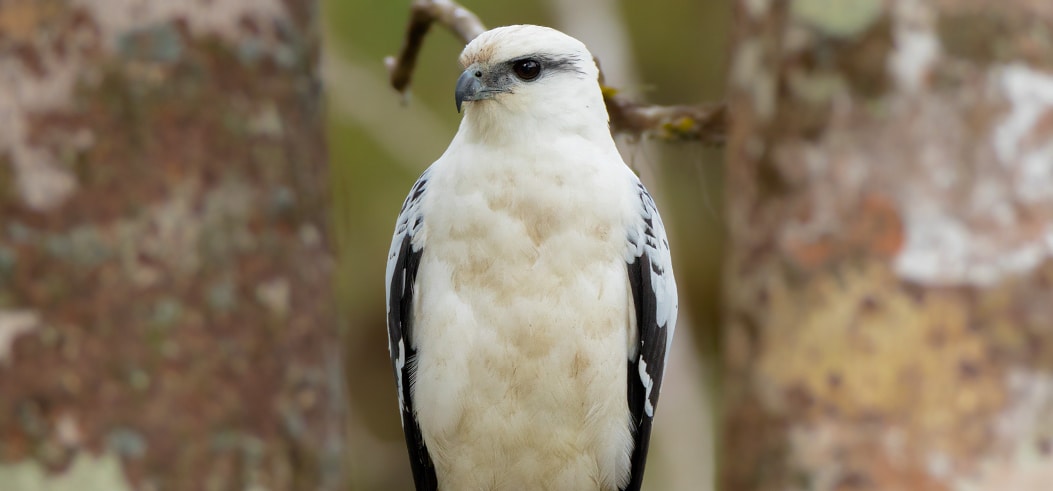
White Hawk Pseudastur albicollis Photo by Rafael Lau This large, forest-dwelling hawk is a beautiful sight, whether perched or soaring—its striking white plumage is like no other raptor throughout the Neotropics. It is
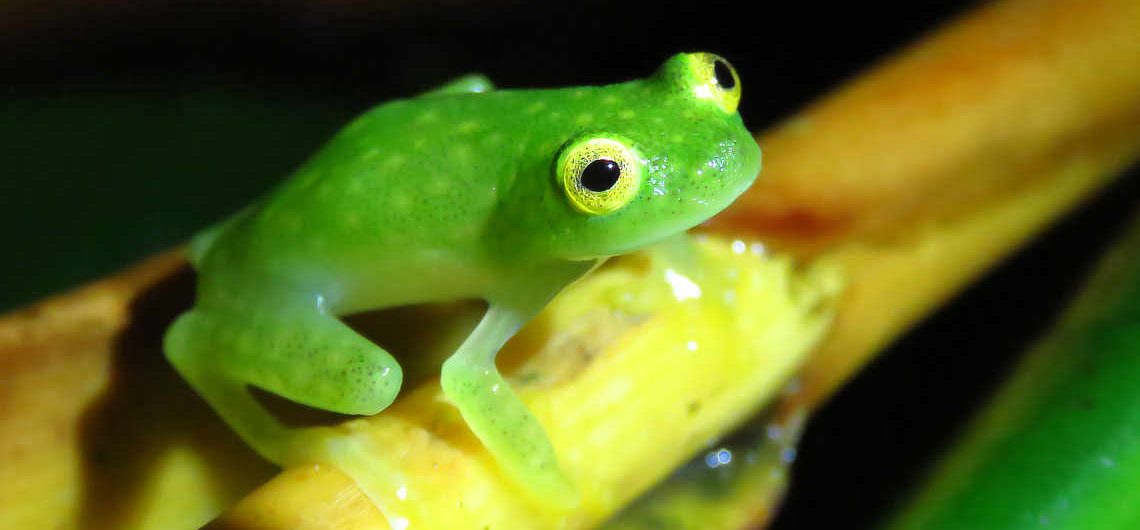
Fleischmann’s Glass Frog Hyalinobatrachium fleischmanni Photo by Jenn Sinasac Glass frogs are appropriately named for the transparent skin on their belly, making their organs visible. Fleischmann’s Glass Frog, also known as the Northern
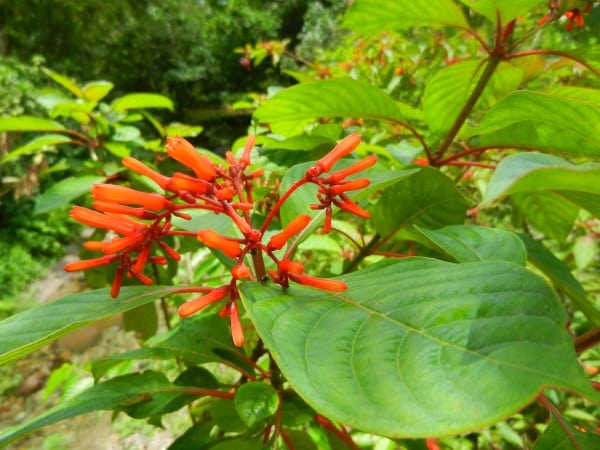
Firebush Hamelia patens Photo by Jenn Sinasac This large shrub or small tree of the coffee family (Rubiaceae) stands out in the crowd—its bright red-orange tubular flowers give it many appropriate common names
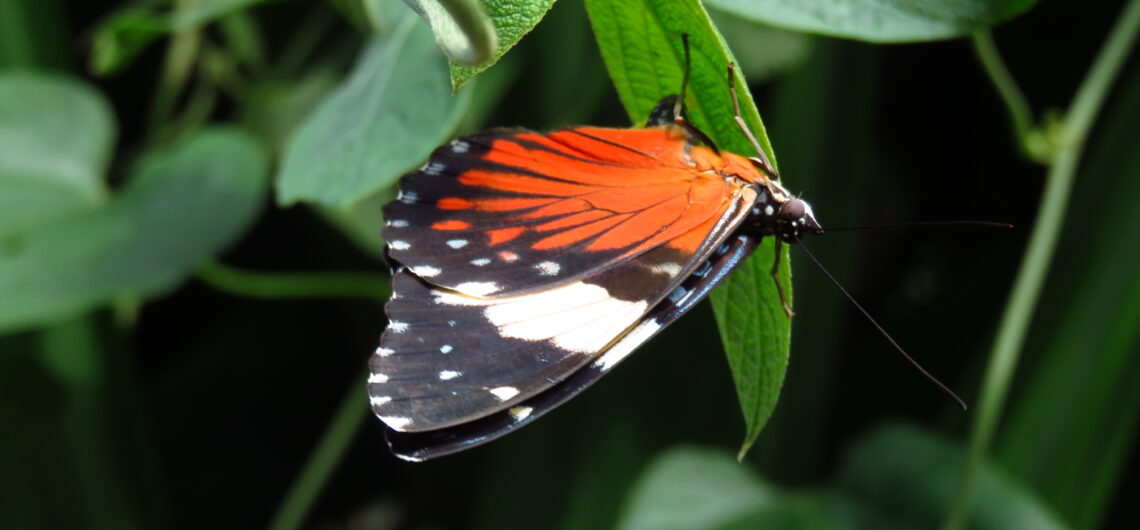
Red Cracker Hamadryas amphinome Photo by Jenn Sinasac The Red Cracker is a truly flashy butterfly! Among some very interesting behaviors, the Red Cracker butterfly is strikingly beautiful – bright metallic blue and
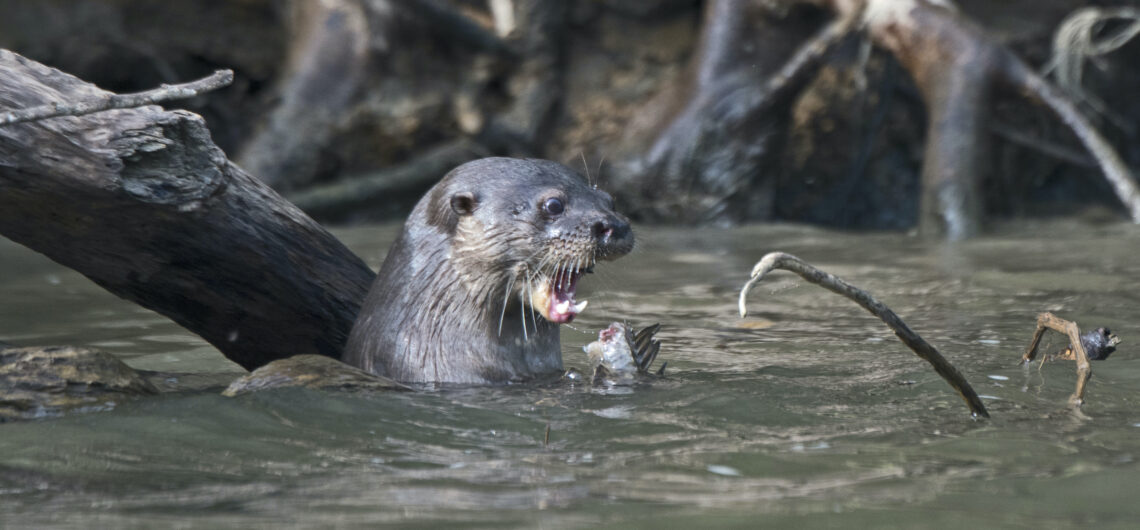
Neotropical River Otter Lontra longicaudis Photo by David Tipling Similar in appearance to its close cousins, the Northern and Southern River Otters, the Neotropical River Otter is 90-150 cm in length—its long, tapered
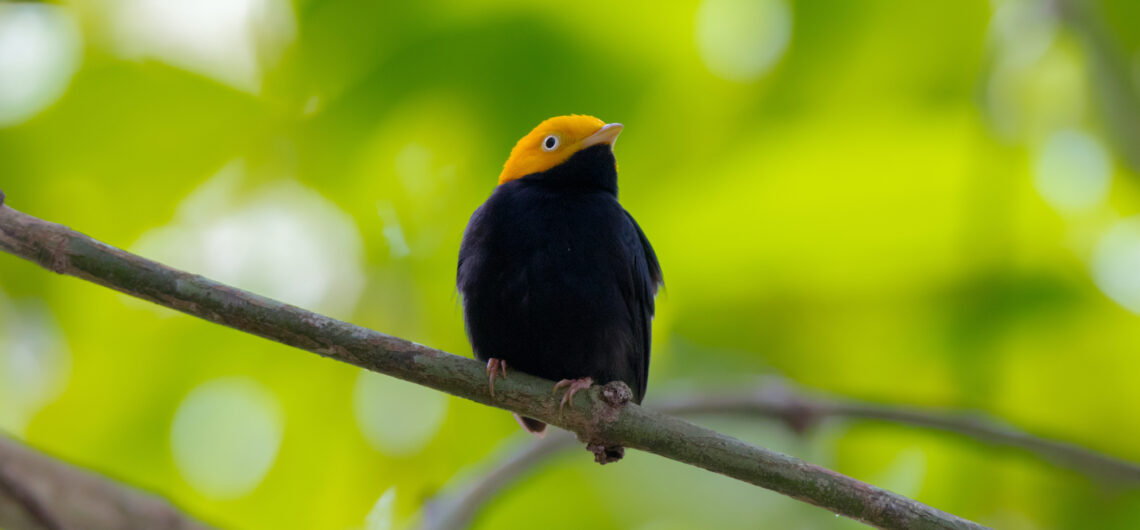
Golden-headed Manakin Ceratopipra erythrocephala Photo by Rafael Lau Male Golden-headed Manakins are immediately recognizable by their glossy black body and brilliant yellow head and white eye. Their yellow head may show a reddish
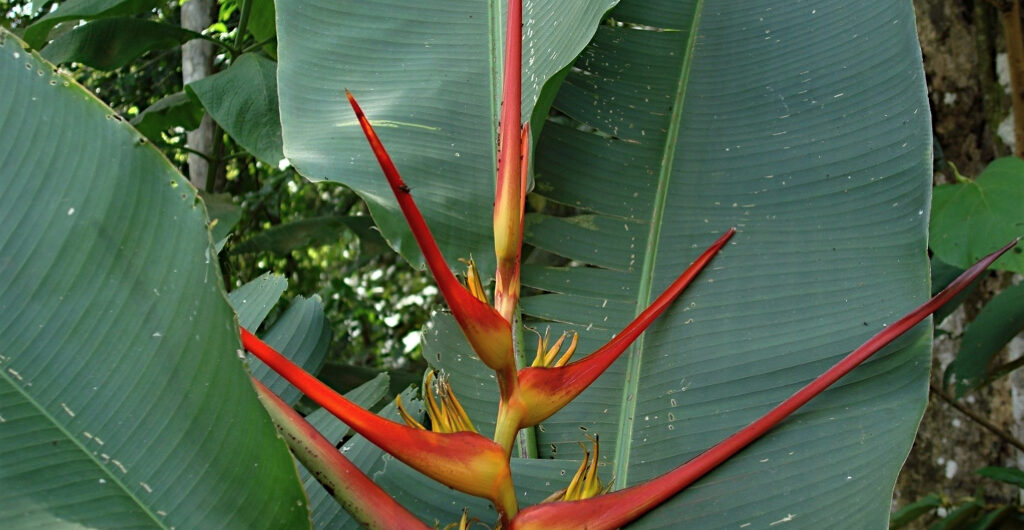
Expanded Lobster Claw Heliconia latispatha Photo by Jerry & Linda Harrison Of all the thousands of tropical plants, Heliconia is one plant genus that many people visiting Panama recognize. Even determining species is
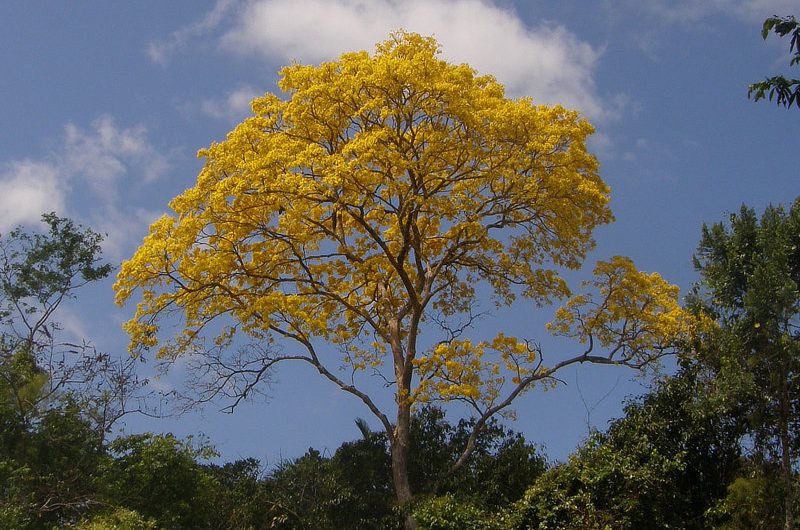
Guayacan Trumpet Tree Tabebuia guayacan Photo by Jenn Sinasac Every March, the forestscape bursts with color as the Guayacan trees start to bloom, producing a full crown of golden, tubular-shaped flowers. It is