
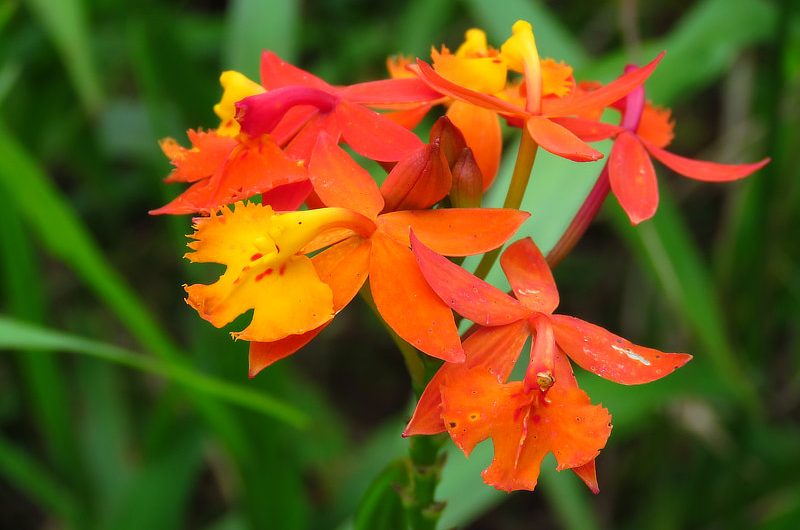
Spanish Flag Orchid Epidendrum radicans Photo by Jenn Sinasac A “weedy” orchid, common along the roadsides and fields of middle elevations in Central America, the Spanish Flag Orchid is rather eye-catching and distinct.
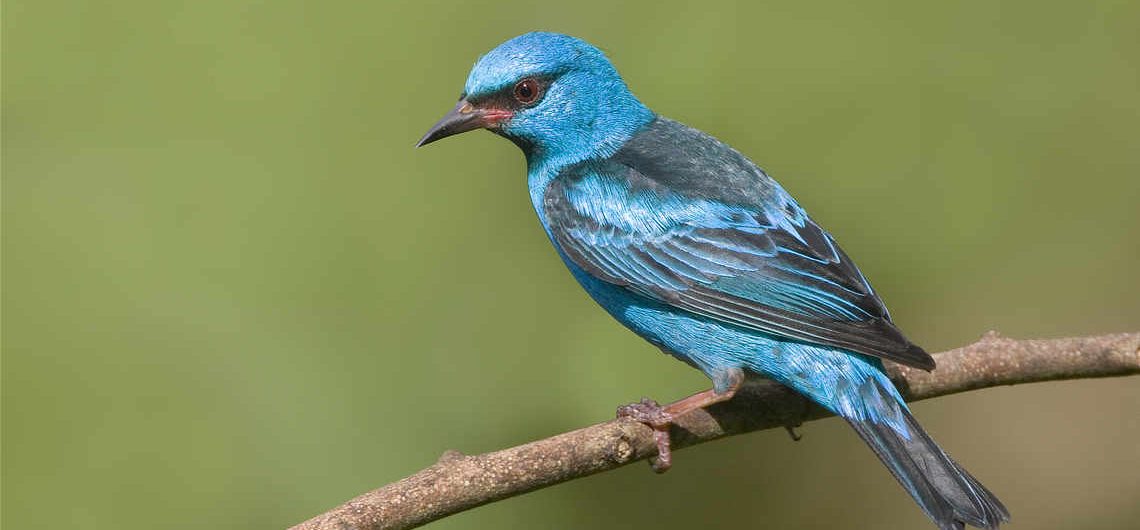
Blue Dacnis Dacnis cayana Photo by Arthur Morris The bright and cheery Blue Dacnis is a welcome sight to visitors at all the Canopy Family lodges. At only 11 cm in length, the
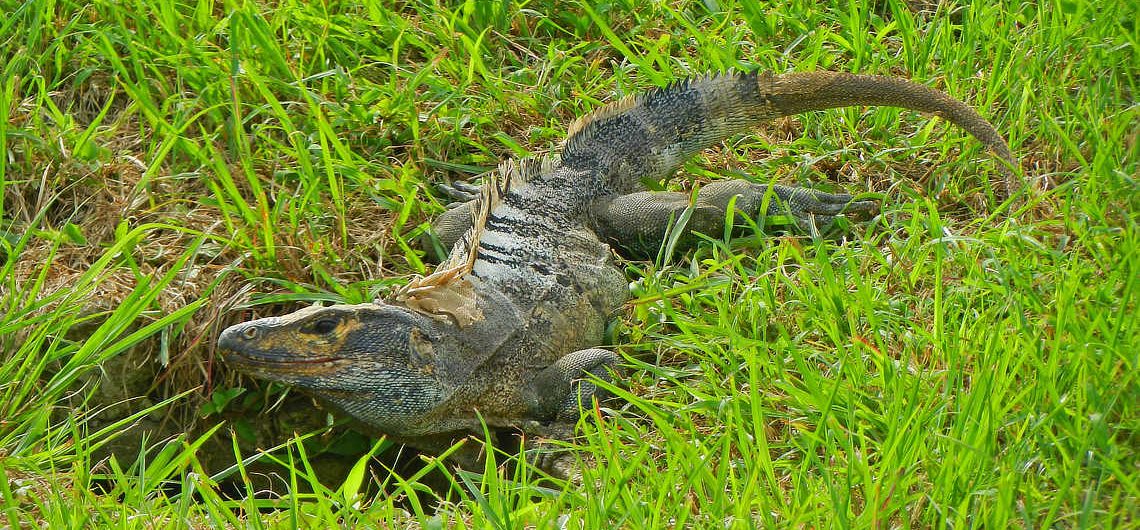
Black Ctenosaur Ctenosaura similis Photo by Jenn Sinasac Also known as Black Spiny-tailed Lizard or Black Iguana, the Black Ctenosaur (pronounced “tina-sore”) is a large diurnal lizard of Central America. This lizard is
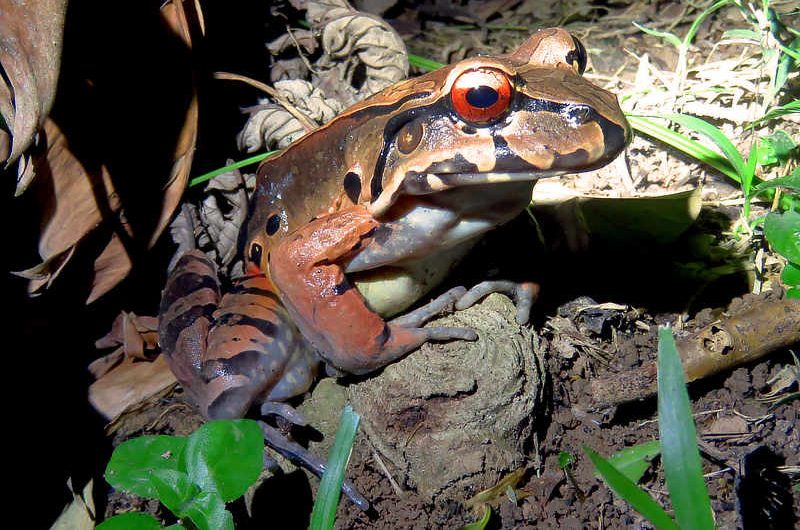
Smoky Jungle Frog Leptodactylus savagei Photo by Jenn Sinasac One of our largest amphibians, the Smoky Jungle Frog, also known as Savage’s Thin-toed Frog and Central American Bullfrog, is a fascinating creature! Growing
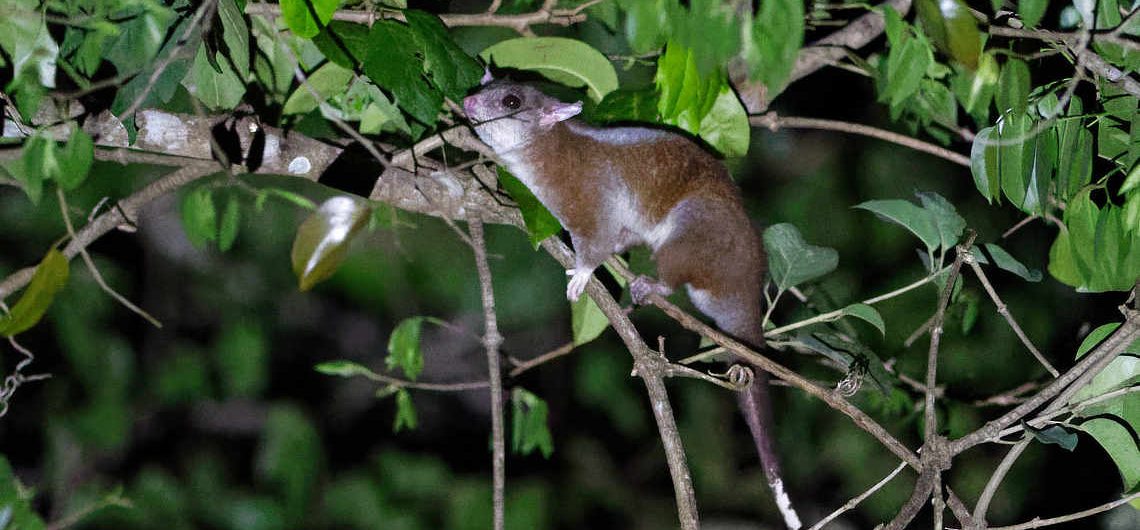
Central American Woolly Opossum Caluromys derbianus Photo by Uwe Speck The Central American Woolly Opossum is a medium-sized marsupial of the rainforests of Central America and northwestern South America. In comparison to other
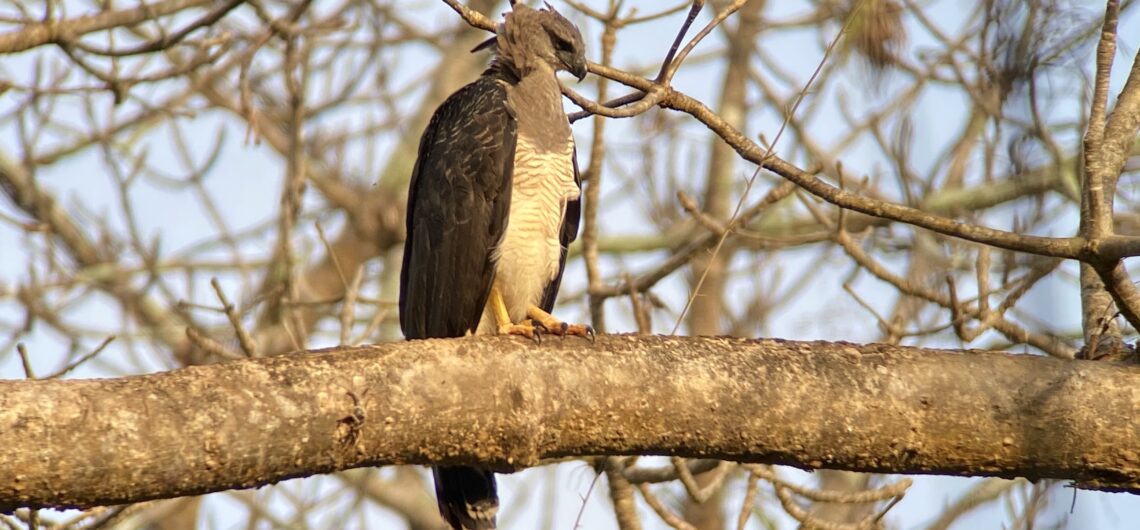
Crested Eagle Morphnus guianensis Photo by Carlos Bethancourt A very large forest eagle, similar in appearance to the even more massive Harpy Eagle, the Crested Eagle is one of the beautiful large raptors
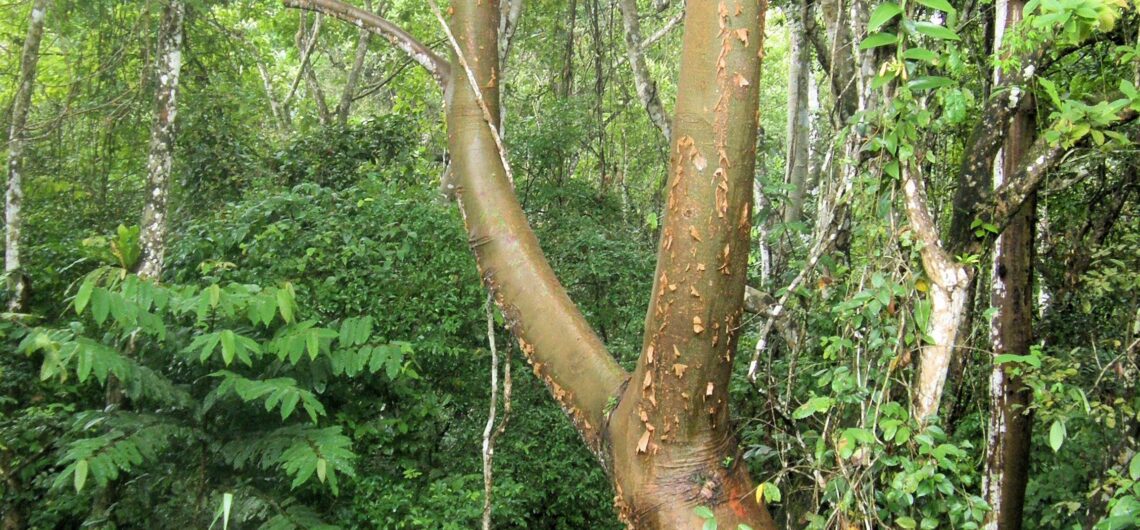
Gumbo Limbo Tree Bursera simaruba Photo by Jenn Sinasac The Gumbo Limbo tree is one of the most recognizable trees of the American tropics—often called the “tourist tree” because of its characteristic peeling
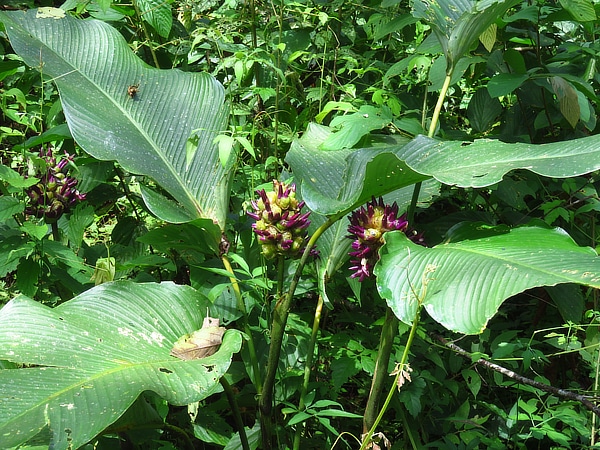
Bijao Calathea latifolia Photo by Jenn Sinasac Locally known as “bijao,” Calathea latifolia is a distinct roadside plant of central Panama. Standing 1-2 meters tall, the Bijao plant is recognized by its large,
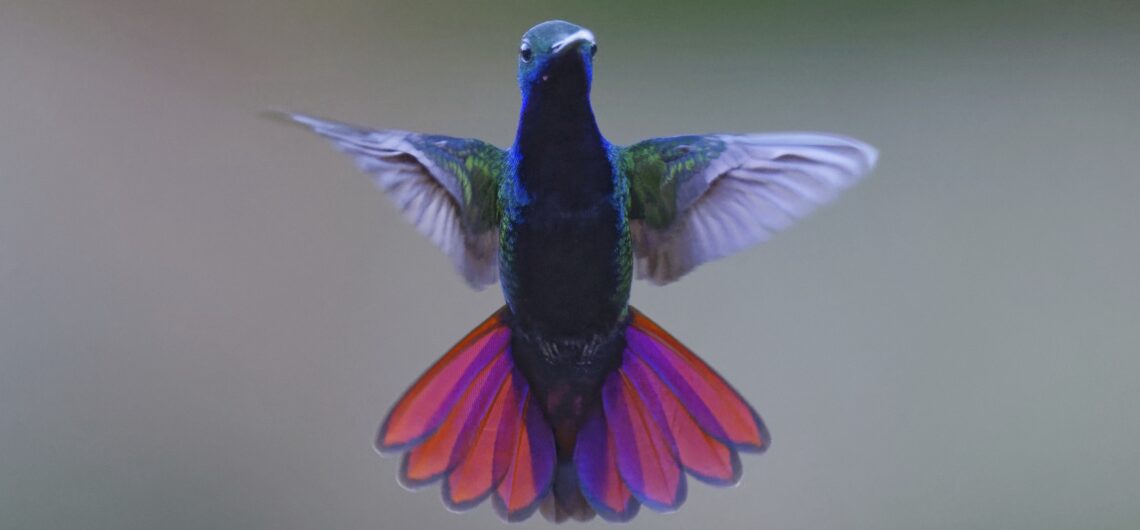
Black-throated Mango Anthracothorax nigricollis Photo by Uwe Speck The Black-throated Mango is an attractive, distinctive hummingbird primarily found in South America but also ranging into western Panama. Both sexes have a slightly decurved
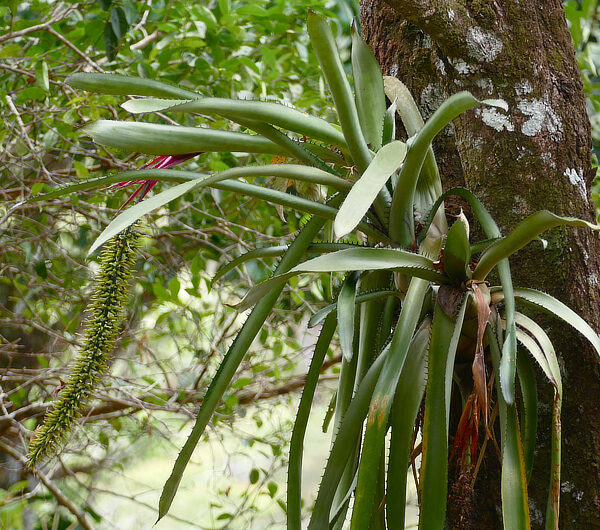
Aechmea setigera Photo by Jerry and Linda Harrison Aechmea setigera is a large bromeliad native to tropical America. Like many bromeliads, it is epiphytic and usually found high in trees. It grows to